
Certification Requirements
Get printable, fillable checklists to complete for certification here
By empowering residents to plant native species, restore soil and waterways, and remove invasive plants, together we can collectively build healthier habitats and communities.

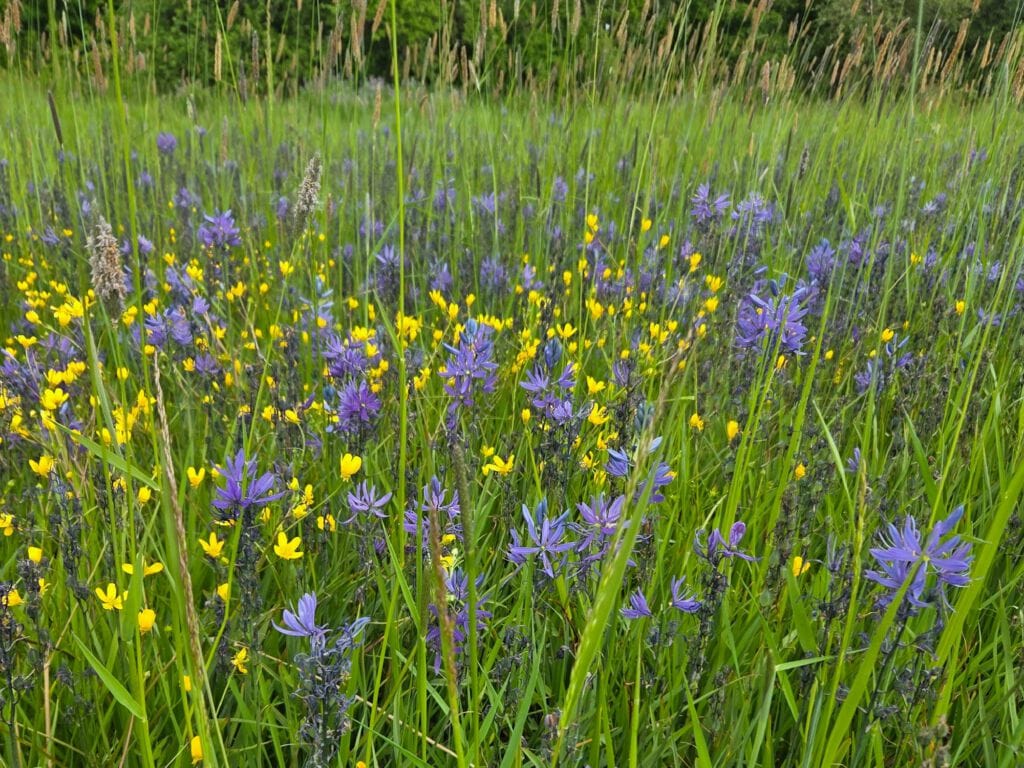
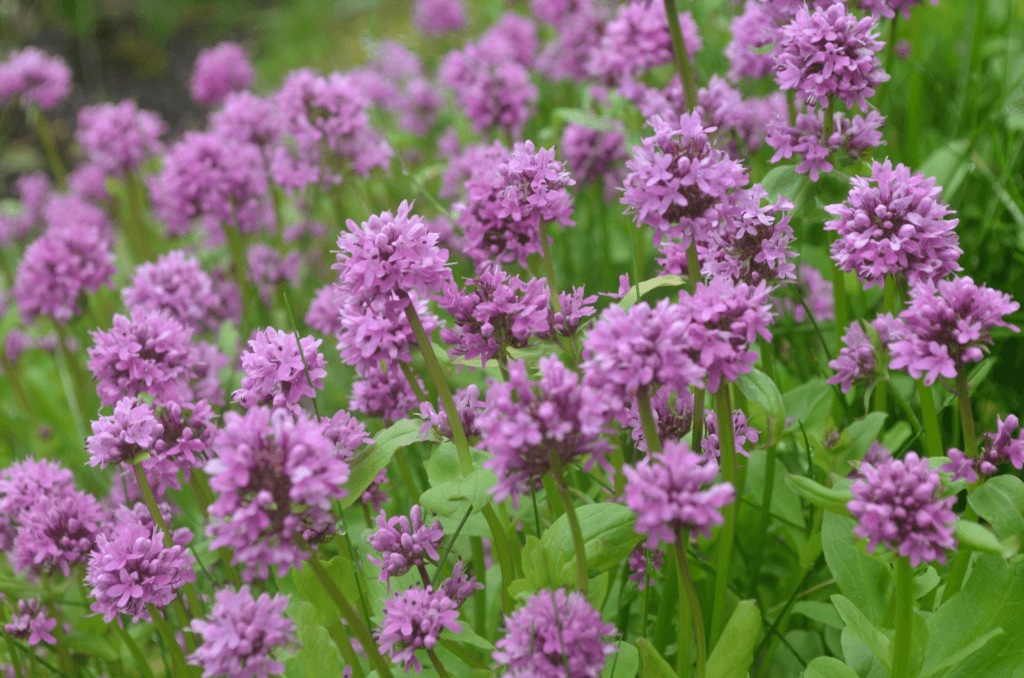
Certification requirements focus on 5 habitat-fostering actions:
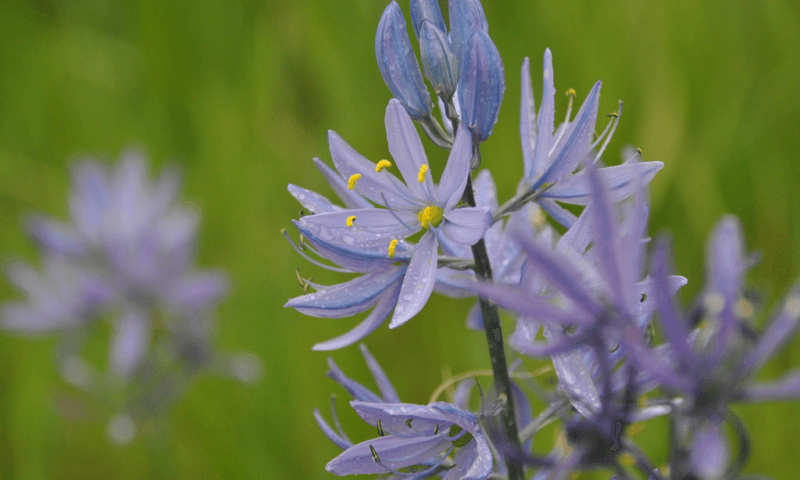
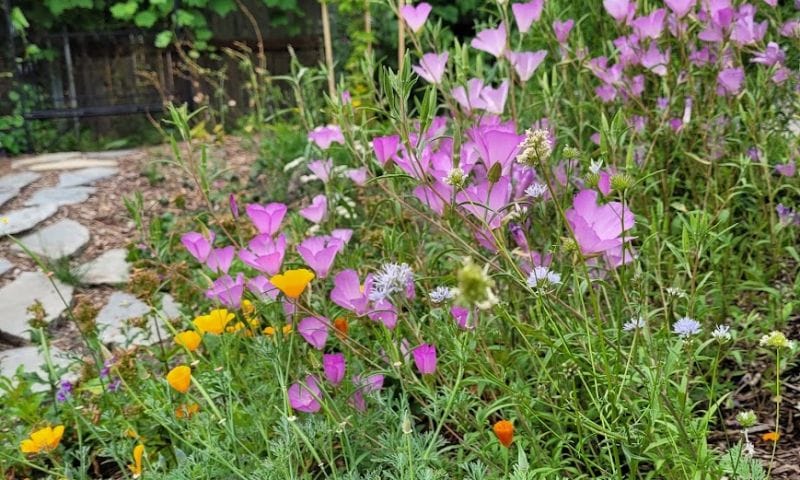
Native plants provide vital food, shelter, and other resources that wildlife needs to survive and thrive.
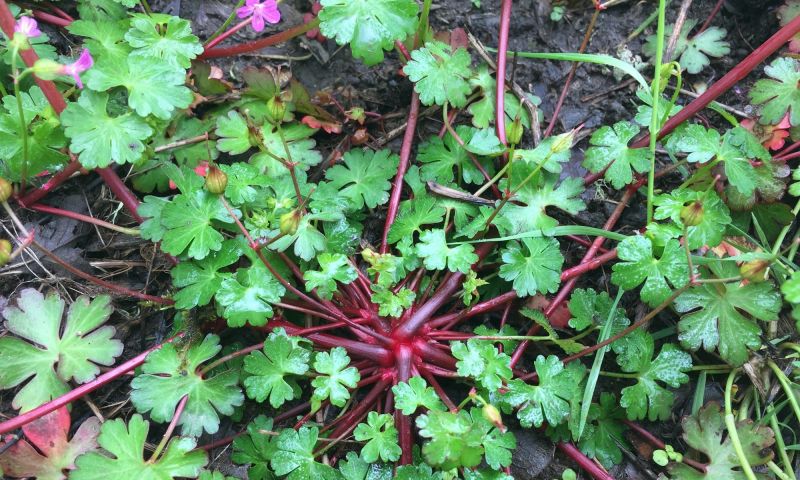
Many non-native species spread quickly, outcompeting native species and degrading natural resources.
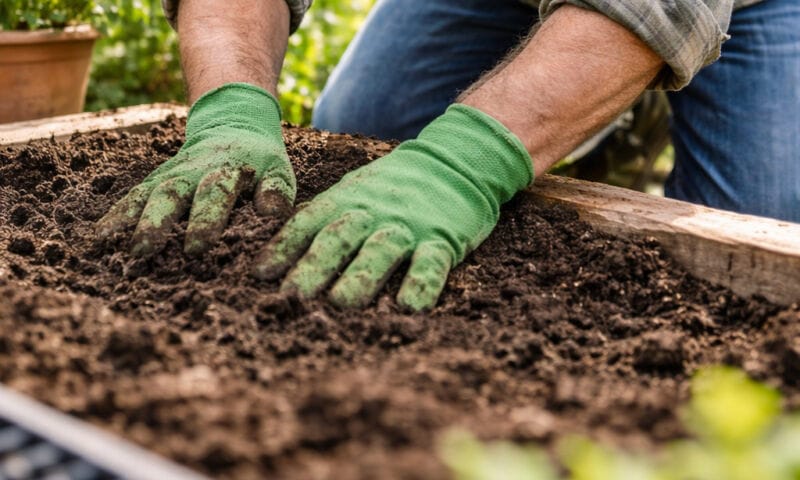
Actions like creating a compost pile and adding mulch help foster micro-organisms, build soil quality, and prevent erosion.

Capture rainwater, reduce irrigation, or use dry-tolerant plants to save water, improve water quality, and increase drought resilience.
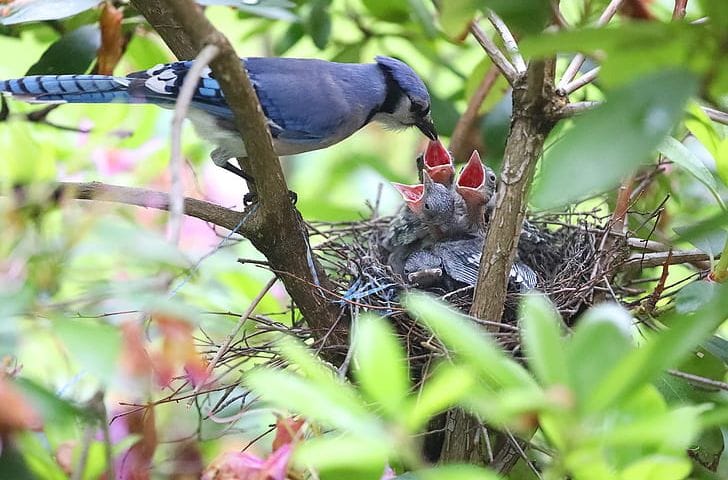
By providing resources such as nesting boxes, brush piles, and less outdoor lighting, you can foster biodiversity and wildlife survival.
Get printable, fillable checklists to complete for certification here

Who’s eligible? How does it work? Find answers to common questions here

Submit your enrollment form to sign up and become a Nature Neighbor!
Find resources for every item on the Requirements Checklist (and more) here!
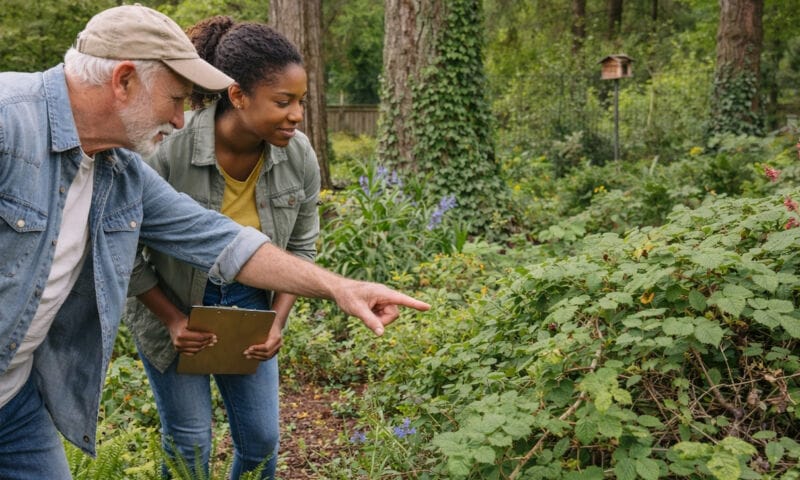
Do you need additional site visits, financial aid, or help with labor? Learn how we can help here.