Fences can help define property boundaries, protect gardens, and keep pets and livestock safe—but they can also create barriers for wildlife. Even a fence that seems easy for us to step over or walk around can be difficult for animals to navigate. When fences are placed close together across neighboring properties, they can create a continuous barrier that fragments habitat and limits wildlife movement.
Fortunately, you don’t necessarily have to remove a fence to make your property more wildlife-friendly. A few thoughtful changes can create passageways while still serving the purpose of your fence.
Give wildlife room to pass underneath
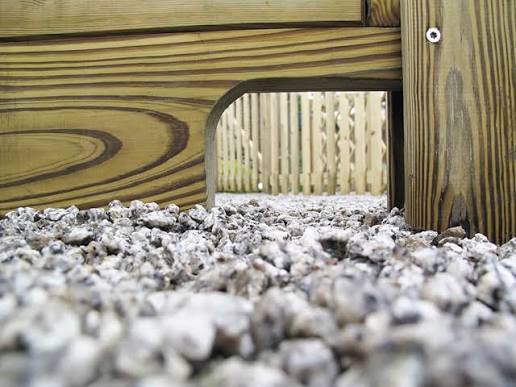
One of the simplest ways to make an existing fence more permeable is to create openings along the bottom. Raising the lowest wire or fence board can allow smaller animals such as frogs, turtles, rabbits, and other wildlife to move underneath. For larger wildlife, consider a larger opening at appropriate locations. Avoid creating openings that could trap animals or allow pets or livestock to escape.
Create wildlife gates
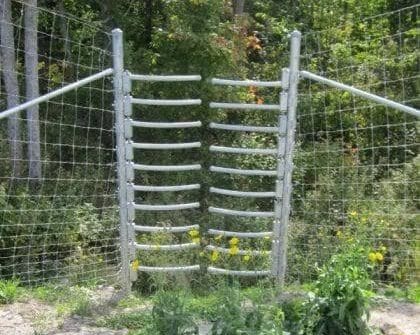
If your fence is solid or extends all the way to the ground, consider adding designated wildlife passage points. A section of fencing can be modified or replaced with a wildlife-friendly gate or opening that allows animals to cross while maintaining the rest of the fence’s function. Consider cutting a 12″ x 18″ rectangular opening in your existing wooden or wire fence.
Make fences visible
Wire fences can be particularly difficult for wildlife to see, especially when animals are moving quickly. Adding visible markers to the upper portions of wire fencing, or choosing black wire, can help birds and other wildlife detect the barrier and avoid collisions. Avoid sharp or protruding wires that could injure animals, especially barbed wire, which is a major wildlife hazard.
Consider what your fence is designed to contain
A fence that keeps deer out of a vegetable garden may need to be very different from a fence designed to contain chickens or livestock. Before modifying a fence, think about which animals need to stay in—and which wildlife you’d like to allow through. In some situations, strategic openings or wildlife passages can provide connectivity without compromising the fence’s primary purpose.
Work with your neighbors
Wildlife doesn’t recognize property lines. A wildlife-friendly opening in one fence becomes even more useful when neighboring properties also provide ways for animals to move through. Talk with neighbors about connecting gardens, tree cover, native plantings, and fence openings to create a continuous pathway through the neighborhood.
Learn more: USDA’s How to build fences with wildlife in mind