Some weeds are very difficult to eradicate without herbicides, but it’s often possible! Use these methods to clear your habitat of invasive species without toxic herbicides.
1. Pull newly emerged weeds as soon as they appear. The more you can weaken the roots by depriving them of sunlight-capturing leaves, the quicker the plant will die.
2. Get the entire root. For plants that have deep taproots, such as thistle, be sure to dig out and remove the entire root/rhizome. Tools such as a 4-claw stand-up puller can be very helpful for this.
3. Dig deep and wide. Some plants, like Italian Arum, have numberous mini-bulbs or extensive root systems. Dig out an area several inches wider than the root ball, and throw away the entire mass of dirt and roots.
4. Throw weeds away in the trash. Do not add them to the compost! Some species are so resilient, they can survive composting and re-sprout when you add the compost to your garden.
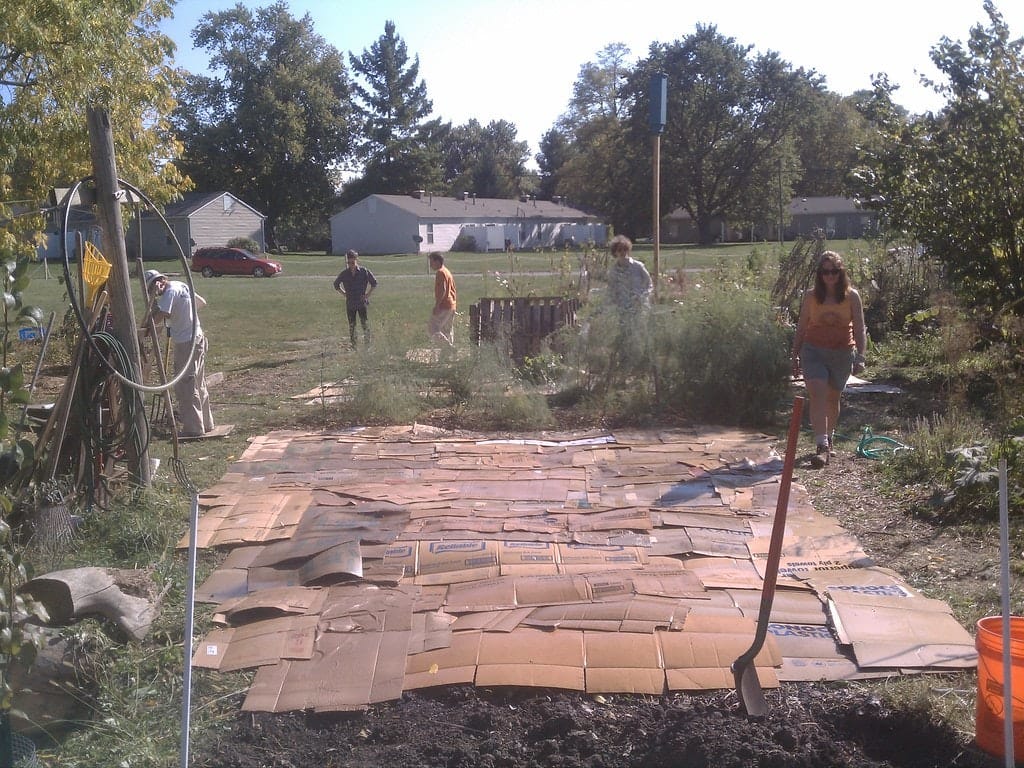
5. For large areas, use the sheet mulching method. Sheet mulching, or “lasagna gardening”, is the process of using layers of cardboard and mulch to smother weeds. Mow the area as low as possible, lay cardboard over the top, and add at least 3-4″ of mulch and/or compost (6″ or more is better). For really stubborn areas, you can repeat this pattern with multiple layers of cardboard and mulch. Leave this in place for at least 3 months, ideally over the summer. In the Fall, you can plant your new native plants directly into the mulch and decomposing cardboard.
Learn more about sheet mulching
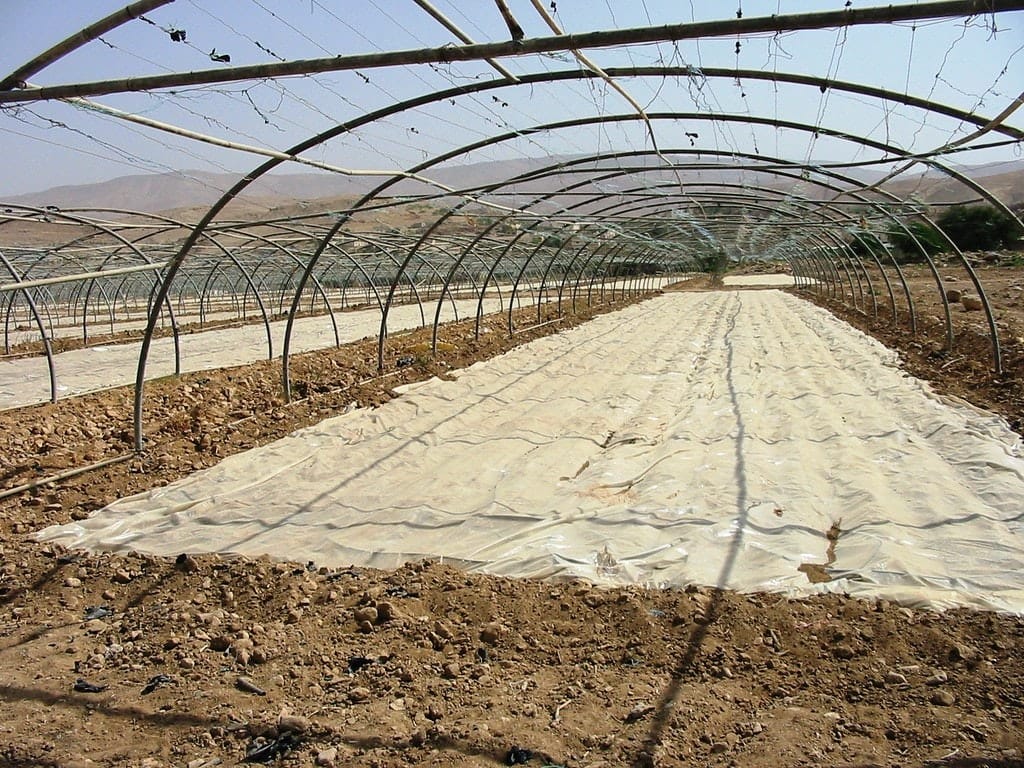
6. For really difficult weeds, such as bindweed or knapweed, try solarization. Solarization is the process of killing weeds by heating them beneath plastic. Get a sheet of CLEAR plastic a bit larger than the area you want to treat, lay it over the area, and secure the sheet along the edges with landscape staples. Do this at the beginning of summer to give the area plenty of time to “cook”. In the Fall, remove the sheet, mow or lightly till the area to clear it, and plant your natives.
Still struggling to control your weeds?
In some cases, extremely noxious weeds may need to be eliminated using carefully-applied, targeted herbicides. Unless you have prior knowledge about these chemicals and their applications, you should not attempt this on your own. Reach out to our Plant Programs Coordinator Cierra for help with choosing and applying herbicides in your habitat.
For more information, see “Solve Pest Problems” at Oregon State University