Adding cover crops to empty garden beds is one of the easiest, highest-impact steps you can take to improve soil health, reduce weeds, and support your future harvests.
Why Add Cover Crops to Empty Beds?
1. Prevent soil erosion and nutrient loss
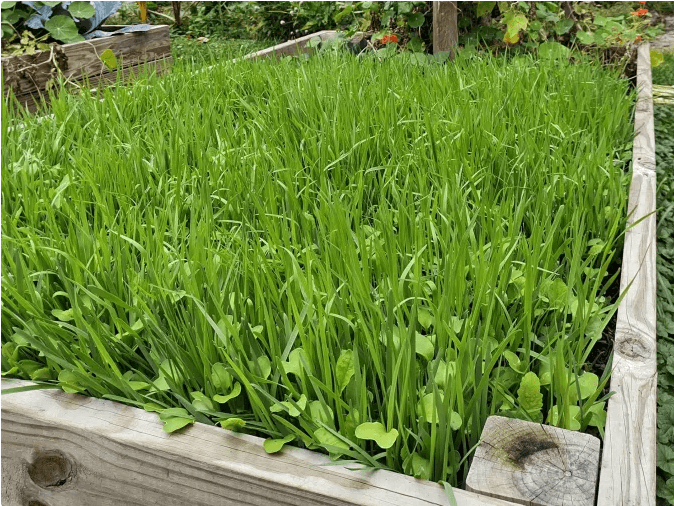
Bare soil loses nutrients to rain, wind, and sun. Cover crops act like a living blanket, keeping soil in place and protecting it from leaching.
2. Build organic matter and improve soil structure
When cover crops die or are cut down, their roots and foliage decompose, creating humus. This:
- improves drainage in clay soils
- boosts water-holding capacity in sandy soils
- increases soil fluffiness and tilth
- feeds beneficial soil organisms
3. Suppress weeds
Fast-growing cover crops (like oats or buckwheat) shade out weed seedlings. This reduces future weeding and keeps the soil seed bank from being replenished.
4. Add nitrogen naturally
Legumes—such as crimson clover, vetch, and field peas—host nitrogen-fixing bacteria that take nitrogen from the air and store it in nodules on their roots. When you chop them down, that nitrogen becomes available for next season’s crops.
5. Break pest and disease cycles
Rotating in a non-crop plant gives your soil a break from pathogens that affect vegetables. Some covers, like mustards, even release natural biofumigants.
6. Support pollinators and beneficial insects
Flowering covers provide nectar early or late in the season when few other plants are blooming.
Suggest cover crops and when to plant
Fall (for overwintering):
- Crimson clover
- Hairy vetch
- Winter peas
- Winter rye
- Oats
- Annual ryegrass
Spring or Summer:
- Buckwheat (fast, great for bees)
- Millet
- Cowpeas
- Phacelia
How to Add Cover Crops (Step-by-Step)
1. Clean the bed lightly
- Pull major weeds or cut them at the base.
- You don’t need perfect cleanliness; residual plant matter is fine.
2. Loosen the soil (optional)
If soil is compacted, rake or lightly fork the top 1–2 inches to help seeds germinate. No deep tilling needed.
3. Broadcast the seeds evenly
Scatter them by hand. For tiny seeds, you can mix them with sand or vermiculite to help distribute them evenly.
4. Rake in or tamp
- Rake gently to cover seeds ¼–½ inch deep, OR
- Press them into the soil with a board, roller, or your feet for good seed-to-soil contact.
5. Water (if rain isn’t coming)
Moisture is needed for germination. After plants establish, they usually manage on seasonal rainfall.
6. Grow until the right stage
- Grow winter covers through early spring.
- For summer covers, 4–6 weeks is often enough.
7. Terminate the cover crop
When plants are 12–18 inches tall or just before they flower:
- Cut at ground level with pruners, hoe, or a string trimmer.
- Leave roots in place to feed soil life.
- Let the cut material break down on the surface as mulch.
If planting immediately after termination, wait 1–3 weeks for decomposition to mellow, especially with carbon-heavy covers like rye.
Tips for Success
- Match the cover to the season: oats die in winter (easy to manage), rye survives (more biomass).
- Use legumes to add nitrogen before heavy-feeding crops like tomatoes, corn, or squash.
- Terminate before seeds form to avoid self-seeding or difficult regrowth.
- Mix species (e.g., oats + peas + clover) for biodiversity and better soil outcomes