
Compost is like a superfood for your garden soil — it’s decomposed organic matter that boosts soil health and plant growth in many important ways. Here’s why compost is so valuable:
- Improves Soil Structure: Compost helps sandy soils hold moisture and clay soils drain better by improving the soil’s texture and porosity.
- Adds Nutrients: It’s a rich source of essential nutrients (nitrogen, phosphorus, potassium, and trace minerals) in a slow-release form that plants can easily absorb.
- Feeds Soil Microbes: Compost nurtures beneficial bacteria, fungi, and earthworms that break down organic matter and help plants access nutrients.
- Increases Water Retention: Soils amended with compost retain water better, reducing the need for frequent watering.
- Suppresses Plant Diseases: Healthy soil microbiomes supported by compost can help protect plants from pathogens and pests.
- Reduces Waste: Composting recycles kitchen scraps and yard waste, cutting down on landfill garbage and methane emissions.
Compost can be used as a soil amendment, mulch, potting mix ingredient, a top-dressing for lawns, or for seed starting. You can also make a “compost tea” by steeping compost in water, creating a liquid fertilizer that can be sprayed on leaves or soil.
Types of composting
Traditional (Hot) Composting
- Method: Pile or bin method where organic materials (greens and browns) are layered and turned regularly to maintain high temperatures (130–160°F) to speed decomposition.
- Pros:
- Fast breakdown (weeks to months)
- Kills most weed seeds and pathogens due to heat
- Produces nutrient-rich, stable compost
- Cons:
- Requires space and regular turning (labor-intensive)
- Needs balance of greens (nitrogen) and browns (carbon)
- Can attract pests if not managed properly
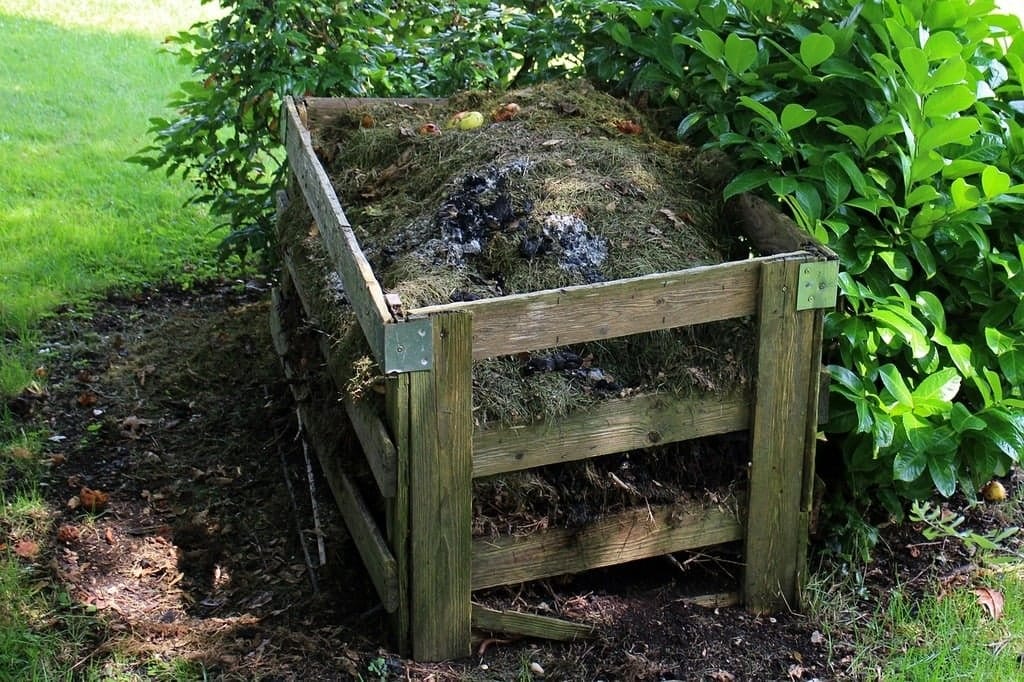
Cold Composting
- Method: Simply piling organic materials and letting them decompose slowly over many months or even a year without turning.
- Pros:
- Low maintenance, easy for beginners
- No need for frequent turning or monitoring
- Can handle larger amounts of yard waste gradually
- Cons:
- Takes much longer (6–12 months or more)
- Less heat means weed seeds and pathogens may survive
- Final compost can be less uniform
Trench Composting
- Method: Digging a trench or hole in the garden, filling it with organic waste, then covering it with soil to decompose in place.
- Pros:
- No need for turning or special containers
- Adds nutrients directly to planting areas
- No visible compost pile, neat and low maintenance
- Cons:
- Slow process; waste decomposes underground over months
- Not practical for large volumes of material
- Can attract burrowing animals if uncovered
Compost Tumblers
- Method: Rotating drum or barrel that allows easy turning and aeration of compost materials.
- Pros:
- Easier turning reduces labor
- Faster composting due to better aeration
- Neat and contained, good for small yards
- Cons:
- Limited volume capacity
- Can dry out or get too wet if not managed carefully
- Usually more expensive initial investment