The best habitat for wildlife is natural features – native plants, ponds, rocks, and logs. But you can also support wildlife with handmade houses. It’s important to select or build these houses with the right specifications, so read on below!
bird houses
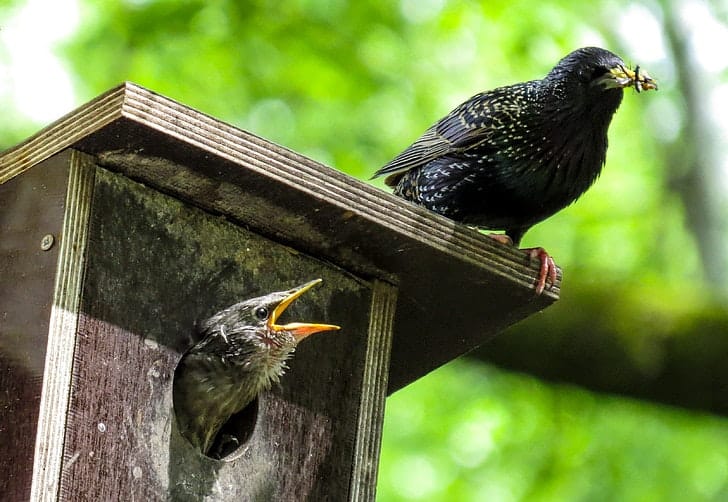
- Entrance Hole Size: The size of the entrance hole is crucial. It should be large enough for the target species to enter but small enough to deter larger, unwanted birds and predators.
- Sloped Roof: A roof that extends over the entrance and is sloped helps protect the nest from rain and sun.
- No Perch: A perch can act as an entry point for predators, so it’s best to avoid having one.
- Rough Interior: Rough interior walls help fledglings climb out when they are ready to leave the nest.
- Wood choice: Untreated wood is a good choice for birdhouses as it provides insulation. Cedar, redwood, and pine are particularly good options due to their durability.
- Thick Walls: Thick walls (at least 3/4 inch) help with insulation and keeping the nest at a stable temperature.
- Drainage and ventilation holes: Drainage holes in the bottom of the birdhouse prevent water from accumulating and harming the birds or nestlings. Ventilation holes allow for airflow and prevent overheating, especially in warmer weather.
- Watertight Seams: Seams should be sealed to prevent water from leaking in.
- Predator Protection: Position the birdhouse away from areas where predators like cats, snakes, or squirrels are likely to roam.
- Easy Access: Choose a birdhouse design that allows for easy access for cleaning and monitoring, such as a hinged side panel or a lift-off roof.
- Regular Cleaning: Clean out old nests after the breeding season to prevent the buildup of parasites and ensure the birdhouse is ready for the next occupants.
Features of a Great Bird House
Cornell Lab of Ornithology: Right Bird/Right House search engine
How to build a nest box for wild birds (OSU Extension)
bat houses
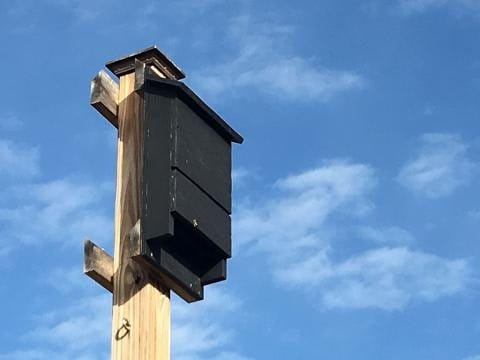
- Size and Chambers: A taller and wider bat house is generally better. Aim for a minimum of 24 inches tall and 14 inches wide, with multiple roosting chambers (baffles) spaced 3/4 to 1 inch apart.
- Rough Interior: The interior should be rough to allow bats to grip the surface easily. This can be achieved with grooved or textured surfaces on the roosting partitions.
- Venting: Proper ventilation is essential to prevent overheating. Vents should be incorporated near the base of the house to allow for airflow.
- Sealing: All seams and joints should be well-sealed to prevent drafts and maintain a warm, dry interior.
- Dark Exterior: Painting the bat house a dark color (like black or dark brown) or using roofing paper helps it absorb more heat from the sun, which is important for roosting bats.
- Placement: Bat houses should be placed in a sunny location, ideally facing south or east, and mounted at least 12 feet above the ground on a pole or building.
- Landing Area: A landing area extending below the entrance is helpful for bats to land and enter the house.
- Proximity to Water: Bats need a water source, so placing the house within 1/2 mile of a permanent water source can be beneficial.
- Avoid Trees: While some bats roost in trees, bat houses are generally more successful when mounted on poles or buildings, as they offer better protection from predators and fluctuating temperatures.
How to build a bat house (National Wildlife Federation)
bee houses
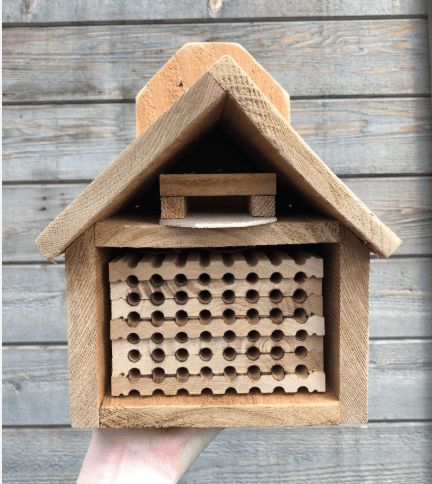
Unlike the hives required for honeybees, our native solitary bees such as the Mason Bee require a much simpler setup. You can get mason bee houses specifically made to the correct specifications from Linn Master Gardeners, or build your own. Here are some basic requirements:
- Location: Sheltered from wind and rain; south or southeast-facing for morning sun exposure; at least 3 feet (ideally 5-8 feet) above the ground; within 200-300 feet of a nectar source.
- House Design: Solid back to prevent light penetration; overhang to protect nesting tubes from rain; tubes or cavities should be 5/16 inch in diameter and at least 4 inches deep, ideally 6 inches; one end of the tube should be sealed (at the back of the house) to prevent parasites.
- Nesting Material: Cardboard tubes, bamboo tubes, or natural reeds are suitable. Avoid plastic or glass tubes due to condensation and mold issues.
- Mud Source: A nearby source of moist, clay-rich soil is essential for nest construction. The soil should be kept damp, especially in hot climates.
- Maintenance: Replace nesting tubes annually to prevent parasite buildup. Remove and store cocoons in a cool, dry place over the winter.
Mason Bee house setup and harvesting (Linn Master Gardeners)
Nurturing Mason Bees in your Backyard (OSU Extension)
butterfly houses
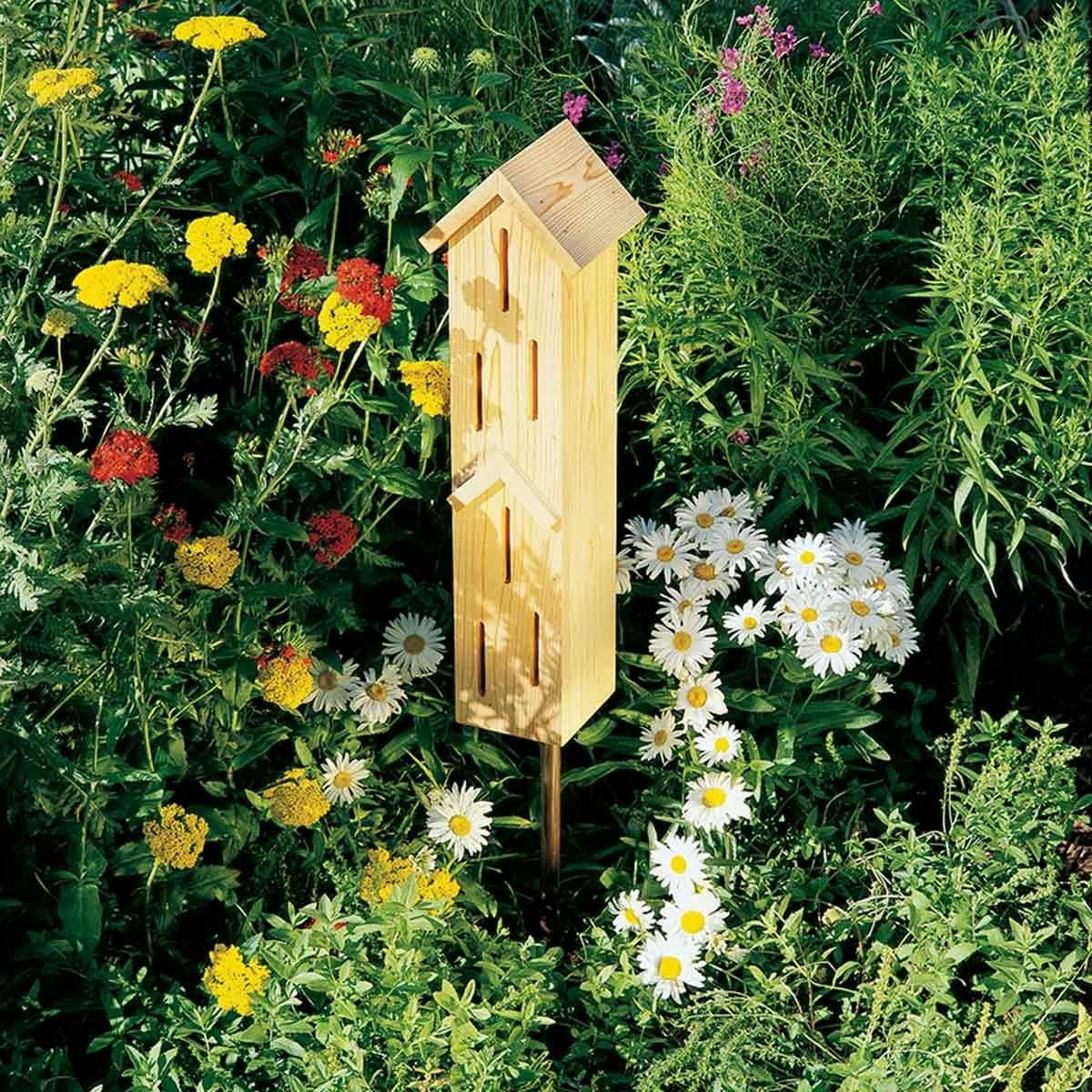
- Entry Slits: Narrow, vertical slits allow butterflies to enter and exit while keeping out larger creatures like birds.
- Perches: Small branches, bark, or other textured surfaces inside provide resting spots for butterflies.
- Dry Interior: Features like a large overhang on the roof and drainage gaps help keep the inside dry, which is crucial for butterfly health.
- Easy Access for Cleaning: Find a house with side panels or a roof that open for easy cleaning and maintenance.
- Viewing Features: Some butterfly houses include viewing windows to observe butterflies emerging from chrysalises or displaying other parts of their lifecycle.
- Placement: Place near host plants for caterpillars and nectar-rich flowers for adult butterflies.