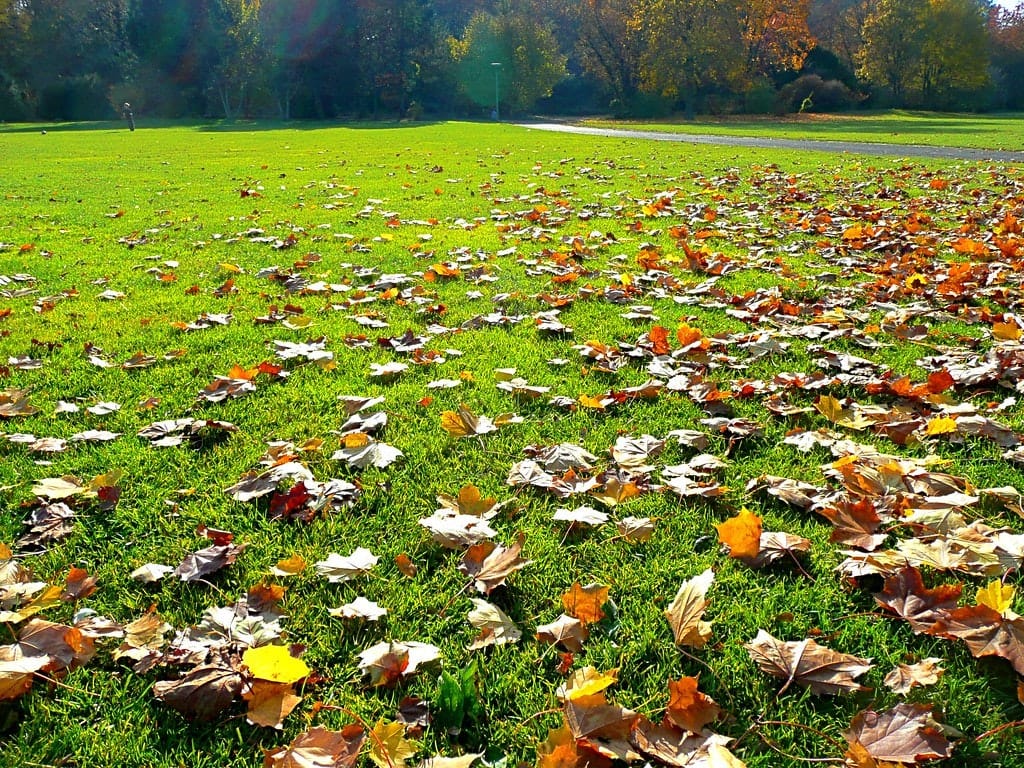
A super-simple way to support wildlife and soil health at home is to simply leave fallen leaves and smaller branches where they fall. Less work for you + better habitat for wildlife = win-win!
Here are some benefits of leaving fallen leaves on the ground:
- Builds Healthy Soil:
Fallen leaves naturally decompose and add organic matter, improving soil structure, aeration, and water retention. - Provides Nutrients:
As leaves break down, they release essential nutrients like nitrogen, phosphorus, and potassium back into the soil, feeding plants naturally. - Supports Soil Microorganisms & Invertebrates:
Leaves provide habitat and food for beneficial microbes, fungi, earthworms, and insects that drive nutrient cycling and keep soil alive. - Creates Natural Mulch:
Leaves form a protective mulch layer that conserves soil moisture, reduces erosion, and suppresses weeds. - Offers Habitat for Wildlife:
Leaf litter shelters many small animals, including native pollinators, amphibians, beneficial insects, and overwintering butterflies or moths. - Reduces Yard Waste:
Leaving leaves where they fall cuts down on waste sent to landfills and reduces the need for bagging and hauling leaves away. - Improves Garden Resilience:
Mulched leaves moderate soil temperature, keeping roots cooler in summer and warmer in winter. - Supports Native Plant Communities:
Many native plants evolved with seasonal leaf litter, which helps maintain natural nutrient cycles and forest floor ecosystems.
“But won’t the leaves smother my grass or other plants?”
In most cases, fallen leaves distributed evenly across the landscape aren’t a problem, but this can be a concern where leaves ccumulate in thick layers. If you’re worried about leaves damaging your lawn or garden, simply rake them out of their piles and into a thinner, wider layer. Or, you can collect your leaves and use them as mulch around your plants. This natural mulch helps suppress weeds, retains soil moisture, and keeps plants cozy through the winter!